
Yes, you can often post bail at night, but timing depends on three things: whether booking is finished, whether bail has already been set, and the jail's own after-hours policy. Start by identifying the exact jail holding your family member, gathering their full name, date of birth, and booking number, then call a licensed 24/7 bail agent or the jail's intake line. No one, including any bail agent, can promise instant release when a magistrate hold or active warrant is involved.
TL;DR:
- Posting bail at night depends on whether booking is complete, bail has been set, and the jail's after-hours policy, with delays often caused by booking or judge availability.
- Confirming booking status and bail amount with the jail or a licensed bail agent should be your first step immediately after arrest, as speed depends on processing times.
- Cash bonds require paying the full bail amount directly to the jail, while bail bonds involve a non-refundable premium typically around 10%, often paid via credit or online.
- Most releases from smaller jails happen within an hour once bond paperwork is processed, but larger facilities and weekend nights can cause delays due to higher volume and staffing.
- Always verify agent credentials, get clear fee estimates, and avoid wiring money without confirming license numbers to prevent scams or unnecessary delays.
Table of Contents
- What Happens After a Nighttime Arrest, Step by Step
- Who Can Post Bail and What Information Do You Need?
- Cash Bond or Bail Bond: Which Gets Someone Out Faster at Night?
- How Long Does an After-Hours Release Actually Take?
- How to Find and Work With a 24/7 Bail Agent
- What to Expect in the First Hours After Release
- How Abaasy Bail Bonds Supports After-Hours Releases
- The First 60 Minutes Matter More Than Anything After
- Get Help Posting Bail Tonight, Not Tomorrow Morning
- Where to Check Facts Right Now
- Sources
- FAQ
What Happens After a Nighttime Arrest, Step by Step
Booking has to finish before anyone can post bail, period. Fingerprints, photos, and entry into the jail's system all happen first, and this can take anywhere from 30 minutes to several hours depending on how many arrests came in that shift. Calling too early just means you get told to call back, so ask intake directly whether booking is complete before you do anything else.
Once booking wraps up, what happens next depends on the charge. Many jails work off a preset bail schedule for common offenses, meaning a dollar figure is already assigned and deputies can accept payment without waiting for a judge. Other charges, particularly serious felonies or cases involving domestic violence holds, require a magistrate or judge to set bail, and if no one is on call overnight, that review might not happen until morning court opens.
A bail bondsman working after hours can prepare the paperwork, confirm the booking status, and file the bond electronically or by fax so it is ready the moment the jail can process it. What the agent cannot do is speed up the jail's own queue or override a hold. That distinction trips up a lot of families who assume "24/7 bail" means instant release everywhere.
Here is the practical sequence to follow the moment you learn about an arrest:
- Call the jail's intake or booking line and ask if the person has been booked and whether bail has been set.
- Call a licensed bail agent who covers that county and give them the booking number once you have it.
- Gather ID and payment information while the agent prepares the bond paperwork.
- Confirm with the agent when the bond has been submitted and ask for an estimated release window.
- Stay reachable. Jails sometimes call back for verification before releasing anyone.
Some counties also run emergency bail hearings or keep a magistrate on call specifically to handle after-hours cases, though availability varies widely by jurisdiction. If your county has one, a bondsman familiar with local procedure will usually know how to request it.
Who Can Post Bail and What Information Do You Need?
Almost anyone can post bail for someone else. It does not have to be a spouse or parent. A friend, coworker, or the defendant themselves can act as the person paying, though whoever signs the bond agreement takes on financial responsibility for it. A power of attorney rarely helps here. Criminal bail bonds require the actual signer to be present or working directly with the agent, not a document authorizing someone else to act on their behalf.
Before you call anyone, try to have this ready:
- Full legal name and date of birth of the person in custody
- Booking or inmate number, if you already have it
- The arresting agency or jail location
- The charge, if known
- A valid government-issued ID for whoever is paying or signing
If you are missing the booking number, most county jails run an online inmate search tool, or the jail's non-emergency line can look it up if you give them the name and approximate arrest time.
Pro Tip: Before you send any money, ask the bail agent to confirm the exact spelling of the name and the booking number against the jail's own system. Two people can share a name, and posting bail against the wrong record wastes hours and sometimes money that is hard to get back.
Cash Bond or Bail Bond: Which Gets Someone Out Faster at Night?
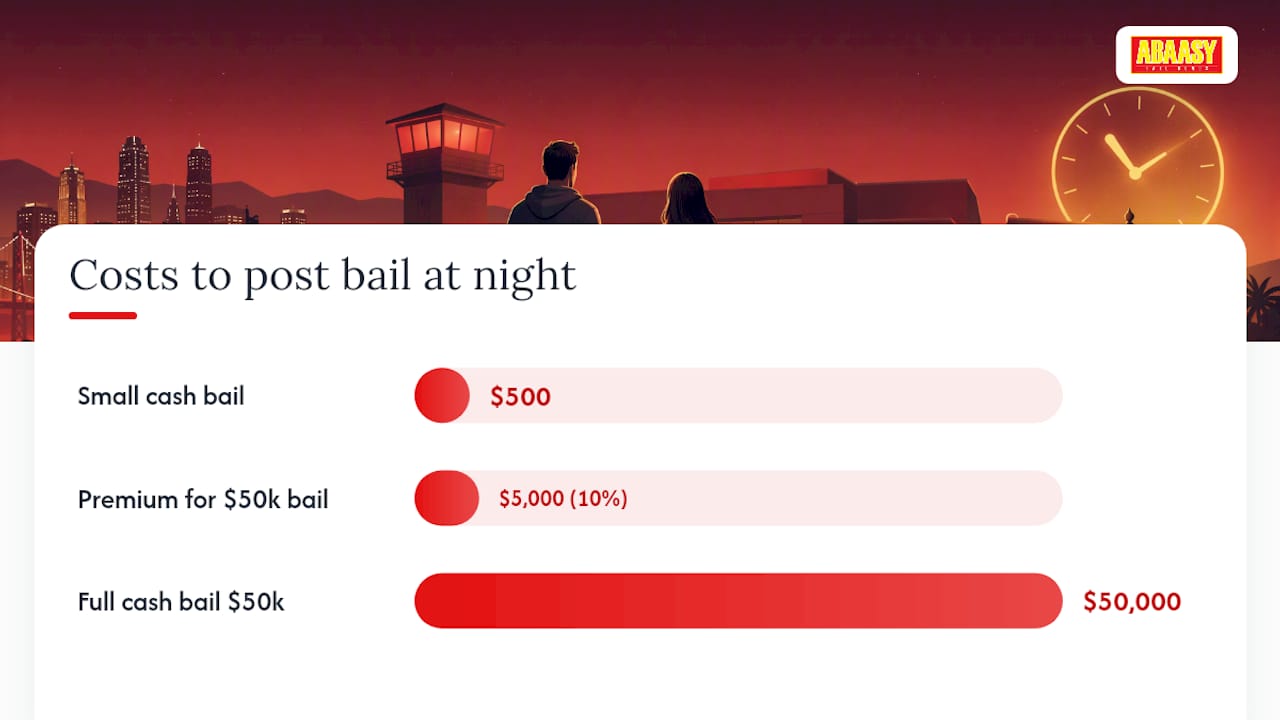
Cash bonds and surety bonds, commonly called bail bonds, both work overnight, but they behave differently. A cash bond means paying the full bail amount directly to the jail, and it is refunded later if the defendant meets all court obligations. That works fine if the bail is $500, considerably less realistic if it is $50,000.
A surety bond through a licensed agency involves paying a premium, typically around 10% of the total bail amount, which is not refundable since it is the fee for the agency taking on the financial risk. This is why most families use an agent for anything beyond a small cash bond, especially at 2 a.m. when scraping together tens of thousands of dollars in cash simply is not possible.
Payment methods at odd hours vary by county and by agency. Some jails still want cash only. Bail agencies, by contrast, often accept credit or debit cards by phone, and some run online payment portals, though a convenience fee sometimes applies to card payments.
Before paying anyone, ask:
- What is the exact premium and is there a breakdown of any additional fees?
- Is collateral required, and what happens to it once the case closes?
- If a cosigner is involved, what exactly are they responsible for if the defendant misses court?
- Is there a payment plan option if you cannot cover the full premium upfront?
Reputable agencies that offer no-interest payment plans will explain this clearly without pressure, even at night.
How Long Does an After-Hours Release Actually Take?
There is no single number, but a few patterns hold up. Smaller county jails with lower overnight volume often move faster once bond is posted, sometimes within an hour. Larger county facilities, especially on weekend nights, can run several hours behind simply because more people are moving through the system at once.
Preparation, not luck, is what actually determines how fast someone gets released overnight. Verified paperwork and a bondsman who already knows the booking status beats any promise of an "instant" release.
The most common causes of unexpected delay are worth knowing before you get frustrated on the phone:
- Booking is not actually finished yet, even though enough time has passed that it seems like it should be
- A warrant or hold from another case surfaces during the background check
- The charge requires a magistrate, and none is available until morning
- Shift changes around 11 p.m. or midnight can briefly slow processing at some facilities
If a preset bail schedule applies to the charge, release tends to move faster since no judicial review is required. If it does not apply, the wait is largely out of anyone's hands until a judge weighs in. When release is running long, keep confirming identity details with the jail, ask your bail agent for a status check rather than calling the jail repeatedly yourself, and avoid assuming the worst. Overnight delays are common and rarely mean something has gone wrong.
How to Find and Work With a 24/7 Bail Agent
Start with a straightforward search for licensed agents covering the specific county where the arrest happened. Some jails post a list of approved local agencies, and a quick call to jail intake can sometimes point you toward one, even though staff generally won't recommend a specific company.
Before handing over any information, run through this checklist:
- Confirm the agent holds a valid state bail license and ask for the license number.
- Ask whether they regularly work with that specific jail, since local familiarity speeds up paperwork.
- Get a clear, written fee quote before agreeing to anything over the phone.
- Ask what payment methods they accept and whether a receipt is provided immediately.
A legitimate agent can file bond paperwork remotely, fax or electronically submit documents, and track the jail's release queue on your behalf. What they cannot do is change a court order, waive a hold, or promise a specific release time, since the jail always controls that part.
Pro Tip: Never wire money to an account a bail agent gives you over the phone without first confirming their license number through your state's insurance or bail licensing board. Legitimate agents expect that question and answer it without hesitation.
What to Expect in the First Hours After Release
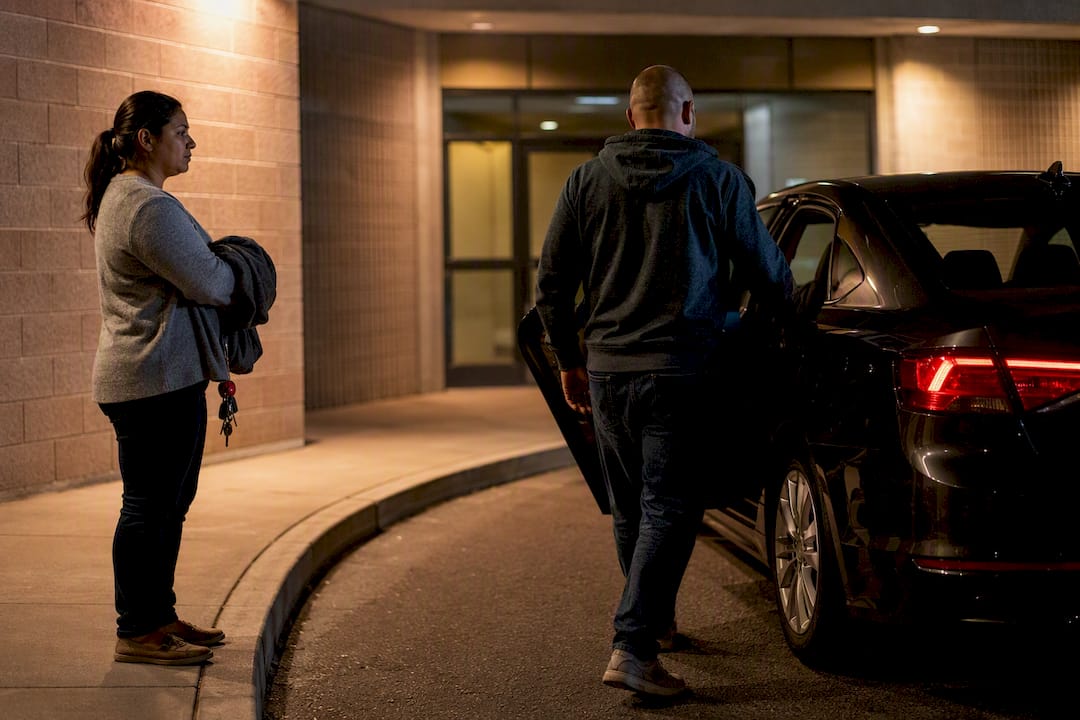
Getting released at night rarely means walking out the door and driving off. The person coming out may not have their phone, wallet, or car, since personal items are often bagged and stored separately during booking. Plan for a ride, and bring a small amount of cash in case they need anything before you get home.
Court obligations start the moment release happens, not later. Missing a scheduled court date can lead to a bench warrant and forfeiture of bail money, whether that was cash or the collateral behind a surety bond. It helps to write the next court date down immediately, before anyone forgets details in the relief of the moment.
A short safety checklist for late-night pickups:
- Confirm the exact release location, since some facilities process releases from a separate exit than the main entrance.
- Have a phone charged and ready in case plans change.
- Know who to call for legal questions before the next court date, not after a problem arises.
- Ask the bail agent what happens to any collateral once the case resolves.
Questions about what happens if a court date gets missed, or how bail money moves through the system afterward, are worth reviewing in a calmer moment once everyone is home.
How Abaasy Bail Bonds Supports After-Hours Releases
Abaasy Bail Bonds operates a 24/7 emergency bail line with agents who answer personally rather than routing calls to a call center. The company also provides bilingual Spanish-language service, no-interest payment plans, and free inmate and warrant searches, along with guidance on Penal Code 1275 hold cases that often complicate overnight releases.
A family calling at 3 a.m. needs someone who already knows the jail's process, not someone learning it while the paperwork sits unfinished. That is the entire value of a genuinely available after-hours agent.
This section was reviewed by william, whose editorial focus covers the practical side of California's bail system, including how families can move quickly and safely through the first hours after an arrest.
The First 60 Minutes Matter More Than Anything After
The single highest-leverage window after a late-night arrest is the first hour. Confirm the booking, gather identifying documents, call a licensed bail agent, and line up a ride for whenever release happens. Staying calm and writing details down as you go, names, times, booking numbers, saves you from repeating calls and cuts down on mistakes that cost real time.
No agent can override a magistrate hold or an active warrant, and it helps to accept that early rather than pushing against it at midnight. When a case involves anything beyond a routine charge, loop in a defense attorney as soon as it's reasonably possible rather than waiting for morning.
— william
Get Help Posting Bail Tonight, Not Tomorrow Morning
Most families calling at night are not shopping around, they need someone who picks up the phone and actually knows what to do next. Abaasy Bail Bonds is built around that exact moment: a licensed agent answers personally, 24/7, across its California service areas. There is no call center standing between you and someone who can act.

Beyond emergency bail, Abaasy offers bilingual Spanish-language support for families more comfortable communicating that way under stress, no-interest payment plans for anyone who cannot cover a full premium upfront, and a free inmate and warrant search if you are not even sure which facility is holding your family member yet. If the case involves a Penal Code 1275 hold, Abaasy also walks families through that specific process, which trips up a lot of people unfamiliar with it. When you call, ask directly about the license number, the exact fee breakdown, and a realistic timeline for that specific jail. No agent, including Abaasy's, can override a magistrate hold or an outstanding warrant, but a fast, honest answer is exactly what a 2 a.m. phone call needs. Reach out through Abaasy Bail Bonds now to start the process, or check the San Diego location page if that is the county involved.
Where to Check Facts Right Now
- Your county jail's intake or inmate search page for booking status and location.
- Your state's bail licensing board to confirm any agent's credentials before paying.
- Criminal defense FAQs for post-release legal rights and obligations.
Sources
- Bailing Someone Out of Jail at Night: What to Know – Catalyst Legal
- Nighttime Jail Release Services | Same Day Bail Bond in Fort Pierce
- Can You Bail Someone out of Jail at Night? | Penny Bail Bonds
- Weekend or Late-Night Arrest? How Emergency Bail Hearings Work
FAQ
Can You Post Bail Without Seeing a Judge?
Yes, in many cases. When a charge falls under a jail's preset bail schedule, deputies can accept payment without judicial review. Charges outside that schedule typically require a magistrate or judge to set bail first, which can delay release until court hours.
How Long Do You Stay in Jail if You Don't Post Bail?
You stay in custody until your first court appearance, which varies by jurisdiction and scheduling factors including weekends. Posting bail is what allows release before that hearing; without it, the case proceeds while you remain in custody.
Can You Bail Someone Out at Any Time?
Bail can often be posted at any hour once booking is complete and bail has been set, but the jail's own staffing and processing speed still control the actual release timing. A licensed 24/7 bail agent can prepare and submit paperwork overnight, though neither the agent nor anyone else can force a jail to release faster than its process allows.
Can Bail Be Posted After Sentencing?
No. Once a defendant has been sentenced, bail is no longer relevant. Bail exists specifically to secure someone's release while a case is pending, and it ends once the case resolves through sentencing, dismissal, or another final outcome.
What Does Abaasy Bail Bonds Charge for Emergency Bail?
Abaasy Bail Bonds does not publish set pricing online. Current fees are available directly by contacting Abaasy Bail Bonds, and the company offers no-interest payment plans for those who need flexibility on the premium.